


June 14th, 2026
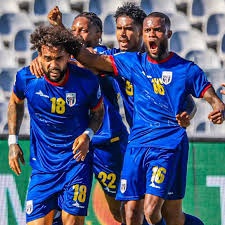
Cape Verde as a True Pointer to African Football’s New Birth and Arrival. Pharaohs and Elephants of Cote d;Ivoire Showcase African Pride
By KDO
Few people gave Cape Verde any chance of surviving Spain’s expected onslaught in today’s World Cup encounter at Atlanta Stadium.
On paper, it appeared to be another classic case of David versus Goliath. Yet football is played on grass, not on paper, and once again the game reminded the world that preparation, organization, and belief can narrow even the widest gaps.
At the heart of Cape Verde’s spirited performance was the work of coach Pedro “Bubista” Brito and the resilience of the team’s veteran goalkeeper, whose agility and reactions despite his age brought back memories of legendary African goalkeepers such as Emmanuel Okala, Best Ogedegbe, Thomas Nkono, and other great custodians who proudly defended the colours of their nations.
The story of Cape Verde did not begin today. It is the product of planning, patience, and purposeful leadership. Bubista, a former Cape Verde international defender, has steadily transformed the Blue Sharks into a disciplined and competitive side capable of challenging established football powers. Under his guidance, the team has earned respect well beyond the shores of the small Atlantic island nation.
Today, the world witnessed what good planning and preparation can achieve. Cape Verde demonstrated that football development is not about population size or financial might alone. It is about vision, structure, commitment, and proper utilization of available resources. Their performance serves as a lesson to administrators across Africa who continue to squander opportunities that could propel the growth of football on the continent.
Across Atlanta and throughout the African diaspora, many Africans rallied behind Cape Verde.
The support was driven not merely by continental solidarity but by admiration for the courage, discipline, and attractive football displayed by the team.
I was equally unsurprised by Côte d’Ivoire’s victory over Ecuador. Anything less would have raised questions about the status many accord the Elephants as one of Africa’s leading football nations. Their performance reinforced the belief that African teams can compete effectively against quality opposition when properly prepared.
Tunisia may not have achieved the desired result, but hope remains alive. Football has often shown that teams can rise from disappointment and reclaim pride through determination and resilience. The Carthage Eagles still have opportunities to restore confidence and avoid an early exit.
As for Morocco, their performance came as no surprise. Having established themselves among the world’s respected football nations in recent years, they understood the magnitude of the challenge before them. Their tactical discipline, organization, and commitment enabled them to contain the threats posed by one of football’s traditional giants and five-time FIFA World Cup champions.
The resilience displayed by Egypt against a powerful Belgian side today is yet another reminder that African football has truly come of age. The Pharaohs demonstrated that African teams now belong on the biggest stage, not as participants merely making up the numbers, but as genuine competitors capable of standing toe-to-toe with any nation in world football.
For far too long, African teams and players have been dismissed on paper as outsiders with little chance of matching football’s established powers. Egypt’s performance served as a powerful rejection of that outdated narrative. Through discipline, technical quality, tactical awareness, and unwavering determination, the team showed that African football has come to stay and that more nations from the continent will continue to announce themselves on the global stage.
Special commendation must go to Egypt’s inspirational captain, Mohamed Salah, whose leadership and experience continue to inspire a generation of African footballers. Equally deserving of praise is the highly respected Egyptian coach, whose smart, proactive, and calculated approach once again demonstrated the growing depth and sophistication of African coaching. Together, they have reinforced the belief that African football’s future is bright, competitive, and worthy of global respect.
Kudos to Egypt for flying the African flag with pride and conviction.
The early days of this World Cup are already sending a powerful message.
African football is no longer satisfied with merely participating. Increasingly, African teams are arriving with ambition, structure, and belief. Cape Verde’s performance today may ultimately be remembered as more than a result; it may be another signpost pointing toward the continued rise and maturation of African football on the global stage.
And Our Super Eagles are not anywhere near where the good or better African teams walk tall thus far.
Sad , we all agree!
KDO


